

Why Enterprise Business Card Governance Is Becoming a Board-Level Priority
Executive Summary
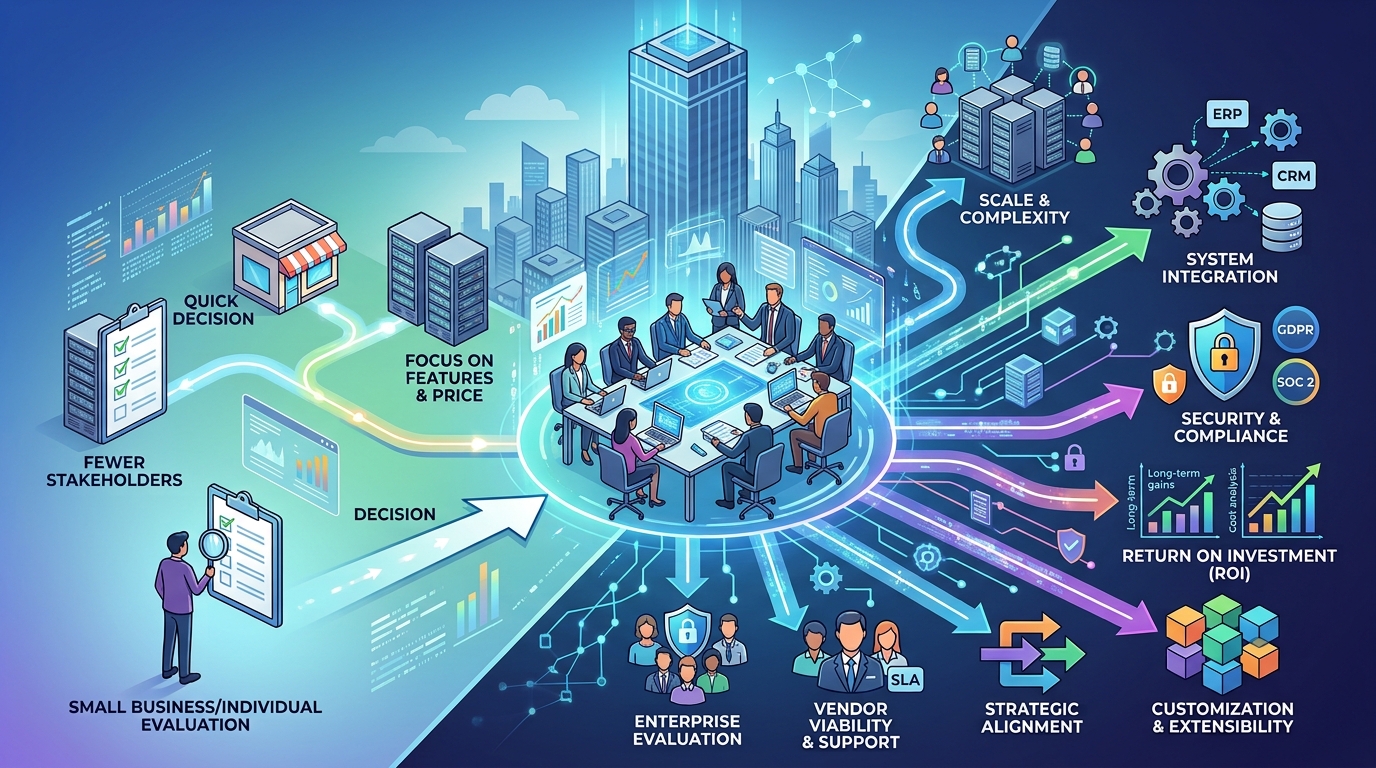
As organizations continue to modernize their operations, governance has become one of the defining characteristics of successful enterprises. Financial controls, cybersecurity, procurement, human resources, and legal compliance all operate within well-defined governance frameworks. Yet one highly visible corporate identity asset often remains outside structured governance—the business card.
Business cards are far more than printed contact details. They represent an organization’s identity, professionalism, regulatory compliance, and brand consistency. In large enterprises with thousands of employees spread across multiple countries and business units, managing these identity assets without centralized governance introduces operational inefficiencies, procurement challenges, and compliance risks.
Business Card Manager (BCM) addresses this challenge by transforming business card management into an enterprise governance process. Through centralized template control, standardized workflows, automated approvals, procurement visibility, and lifecycle management, BCM enables organizations to treat business cards as strategic identity assets rather than administrative stationery.
This article explores why enterprise business card governance is increasingly becoming a board-level priority and how BCM supports organizations in building scalable, governance-driven identity management processes.
Introduction
Modern enterprises invest heavily in protecting their corporate identity. They establish detailed brand guidelines, define procurement policies, automate employee onboarding, implement identity management platforms, and continuously monitor regulatory compliance.
Every aspect of the organization is expected to follow structured governance.
Ironically, one of the most visible representations of an enterprise—the business card—is often managed through disconnected and inconsistent processes.
Employees may order cards through local print vendors. Marketing teams manually review templates. Procurement negotiates independently across regions. Human Resources update employee information separately. Finance receives invoices from multiple suppliers. Regional offices maintain their own branding practices.
Each activity may appear manageable in isolation, but collectively they create an operational landscape that lacks visibility, consistency, and accountability.
As organizations grow, this fragmentation becomes increasingly difficult to control. A multinational enterprise with thousands of employees may process hundreds of business card requests every month. Without governance, even simple activities such as updating a phone number or changing a corporate logo become time-consuming and error-prone.
Business card governance therefore represents far more than operational efficiency. It reflects how effectively an organization manages one of its most widely distributed identity assets.
Business Cards Are Strategic Identity Assets
The perception of business cards has changed significantly over the past decade. Previously, they were viewed as simple marketing collateral. Today, they function as official representations of organizational identity.
Every business card communicates:
- Corporate branding
- Employee identity
- Organizational credibility
- Professional standards
- Regulatory compliance
- Customer trust
When customers, partners, regulators, or suppliers receive a business card, they form immediate impressions about the organization.
Incorrect logos, inconsistent typography, outdated addresses, inaccurate titles, or unauthorized certifications reduce confidence in the company’s operational discipline.
For industries such as banking, healthcare, pharmaceuticals, manufacturing, government, and technology, maintaining accurate identity information is particularly important because branding and regulatory compliance often intersect.
Consequently, enterprises increasingly recognize business cards as controlled identity documents rather than promotional materials.
Why Traditional Business Card Management No Longer Works
Historically, business card ordering followed a simple administrative process.
Employees submitted requests.
Managers approved them.
Marketing reviewed branding.
A printer produced the cards.
This workflow worked adequately for smaller organizations operating from a single office.
Large enterprises, however, operate in a very different environment.
Multiple brands.
Regional subsidiaries.
Country-specific regulations.
Acquired organizations.
Hybrid workforces.
Remote employees.
Global procurement teams.
Different languages.
Local print partners.
Without centralized governance, these factors quickly introduce complexity.
Common enterprise challenges include:
Fragmented Vendor Networks
Different business units frequently maintain separate relationships with local print vendors.
This results in:
- inconsistent print quality
- varying material specifications
- duplicate procurement contracts
- inconsistent pricing
- limited reporting visibility
Central procurement teams often struggle to consolidate enterprise-wide spending because purchasing remains decentralized.
Manual Approval Processes
Email-based approval processes remain common within many organizations.
Although seemingly straightforward, manual workflows create delays, increase administrative effort, and reduce auditability.
Approvers may struggle to determine:
- which template is current
- whether branding complies with corporate standards
- if employee information is accurate
- whether regional formatting rules have been followed
These challenges increase as organizations expand globally.
Inconsistent Employee Information
Employee information changes frequently.
Promotions.
Department transfers.
Office relocations.
Phone number updates.
Certification renewals.
Role changes.
Without integration between HR systems and business card management processes, outdated information often reaches customers and partners.
Beyond creating inconvenience, inaccurate contact information affects customer experience and organizational credibility.
Regional Brand Variations
Many global enterprises legitimately require regional adaptations.
Local addresses.
Country-specific legal information.
Language localization.
Regional certifications.
However, when these adaptations occur without governance, organizations often experience uncontrolled branding variations that gradually weaken corporate identity.
Governance ensures that approved regional flexibility exists within enterprise standards rather than outside them.
Why Business Card Governance Has Reached the Executive Agenda
Boards and executive leadership increasingly expect every operational process to support broader strategic objectives.
Those objectives include:
- Operational excellence
- Digital transformation
- Risk reduction
- Compliance
- Procurement optimization
- Standardization
- Measurable governance
Business card management intersects with each of these priorities.
Executive leaders are no longer asking only whether employees receive business cards.
Instead, they ask:
- Are business card templates centrally governed?
- Can procurement spending be measured globally?
- Are branding standards consistently applied?
- Are approval workflows auditable?
- Can identity assets be updated quickly following organizational changes?
- Are vendors operating under approved procurement policies?
These questions reflect a significant shift in perspective.
Business card management has evolved from an administrative function into an enterprise governance capability.
BCM as the Enterprise Governance Platform
Business Card Manager (BCM) was designed to address the governance challenges that emerge as organizations scale. Rather than functioning solely as a business card ordering application, BCM serves as a centralized governance platform that standardizes business card operations across the enterprise.
At its core, BCM establishes a single source of control for every stage of the business card lifecycle—from request initiation and approval to production, fulfillment, reporting, and future updates.
Instead of allowing departments to create independent processes, BCM enables organizations to define enterprise-wide policies that govern:
- Standardized business card templates
- Brand-compliant design elements
- Employee information validation
- Role-based approval workflows
- Vendor management
- Procurement visibility
- Reporting and analytics
- Audit history
By centralizing these functions, BCM reduces operational complexity while improving consistency across regions, departments, and business units.
Governance Across the Employee Lifecycle
Business card governance should not begin when an employee requests a business card. It should begin with the employee lifecycle itself.
Employee Onboarding
During onboarding, employee information is already captured within HR systems. BCM can leverage approved data to automate business card creation using predefined corporate templates. This eliminates duplicate data entry while ensuring every new employee receives business cards that comply with enterprise standards.
Organizational Changes
Employees frequently experience changes throughout their careers, including:
- Promotions
- Department transfers
- Office relocations
- Telephone updates
- Title changes
- Regional assignments
Without governance, these changes often result in outdated business cards remaining in circulation.
BCM helps organizations synchronize identity updates through governed workflows, ensuring that employee-facing information remains accurate and current.
Employee Offboarding
When employees leave the organization, governance becomes equally important.
Centralized controls help ensure that former employees cannot continue ordering business cards and that identity assets remain aligned with current employment status. This supports both operational control and corporate security.
Procurement Governance and Vendor Management
Procurement departments increasingly seek greater visibility into organizational spending. Business card procurement is no exception.
Large enterprises frequently engage multiple print vendors across different regions. While local suppliers may be appropriate for logistical reasons, decentralized procurement often creates inconsistencies in pricing, quality, reporting, and contract management.
BCM enables procurement teams to establish governed vendor ecosystems by supporting:
- Approved supplier networks
- Standardized procurement policies
- Enterprise pricing visibility
- Vendor performance monitoring
- Centralized reporting
- Strategic sourcing initiatives
This governance model enables organizations to reduce procurement complexity while maintaining regional flexibility where appropriate.
Digital Transformation Through Process Standardization
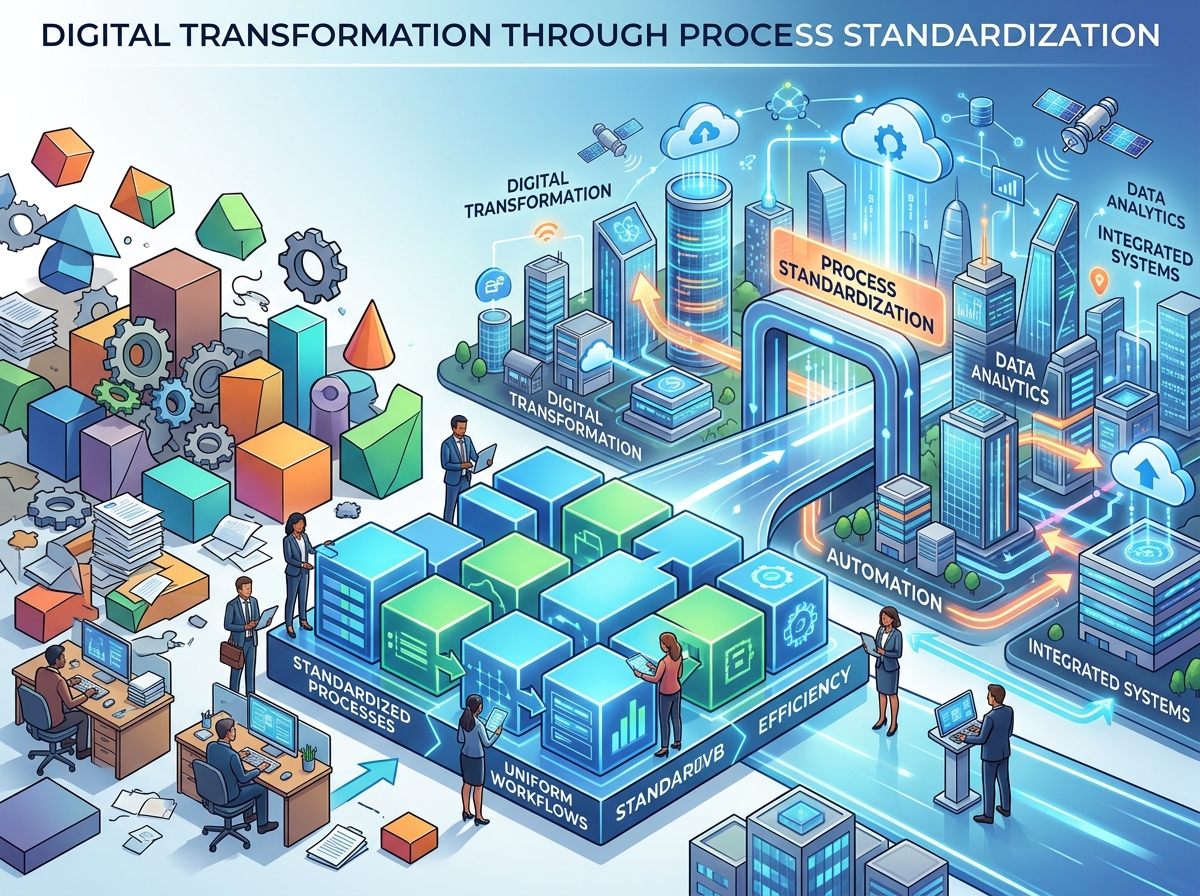
Digital transformation is not simply the replacement of manual tasks with software. It is the redesign of business processes around automation, governance, and measurable operational improvement.
Business card management represents an ideal opportunity to apply these principles.
Using BCM, organizations can replace disconnected email approvals, manual template reviews, and decentralized ordering processes with standardized digital workflows.
Benefits include:
- Faster request processing
- Reduced administrative effort
- Improved approval consistency
- Better reporting
- Stronger compliance
- Enhanced employee experience
- Increased operational transparency
By integrating business card management into broader enterprise workflows, BCM contributes directly to digital transformation objectives.
Executive Visibility Through Enterprise Reporting
One of the most valuable outcomes of governance is visibility.
Executive leadership requires reliable information to evaluate operational performance and identify opportunities for improvement.
BCM provides centralized reporting capabilities that help organizations monitor key performance indicators such as:
- Orders by business unit
- Orders by geographic region
- Procurement spend
- Vendor utilization
- Approval turnaround time
- Template usage
- Policy exceptions
- Brand compliance metrics
Rather than relying on manually compiled spreadsheets, leadership teams gain access to meaningful operational intelligence that supports strategic decision-making.
Business Card Governance and Enterprise Risk Management
Risk management extends beyond cybersecurity and financial controls.
Operational inconsistencies also introduce risk.
Examples include:
- Unauthorized branding
- Incorrect employee information
- Non-compliant templates
- Procurement inefficiencies
- Lack of audit history
- Vendor inconsistency
- Reputational damage
Although each issue may appear minor individually, collectively they affect customer confidence, employee productivity, and organizational credibility.
BCM helps organizations mitigate these risks by ensuring that every business card follows approved governance policies throughout its lifecycle.
Future Outlook
As enterprises continue expanding globally, governance requirements will become increasingly sophisticated.
Artificial Intelligence, workflow automation, and advanced analytics will further strengthen business card governance by helping organizations identify anomalies, automate routine decisions, and improve operational reporting.
However, technology alone cannot replace governance.
Organizations will continue to require clearly defined policies, standardized processes, executive oversight, and enterprise-wide accountability.
BCM provides the governance foundation upon which these future capabilities can be built.
Conclusion
Business card management has evolved far beyond its traditional administrative role.
For modern enterprises, business cards represent official identity assets that influence branding, customer trust, procurement efficiency, operational governance, and regulatory compliance.
As executive leadership increasingly emphasizes governance across every business function, business card management must also evolve.
Business Card Manager enables organizations to replace fragmented ordering practices with standardized, policy-driven workflows that improve consistency, strengthen compliance, enhance procurement visibility, and support enterprise-wide digital transformation.
The organizations that invest in governance today will be better positioned to manage future growth, organizational change, and evolving customer expectations.
Enterprise business card governance is no longer about printing business cards—it is about governing one of the organization’s most visible identity assets with the same discipline applied to every other strategic enterprise function.